

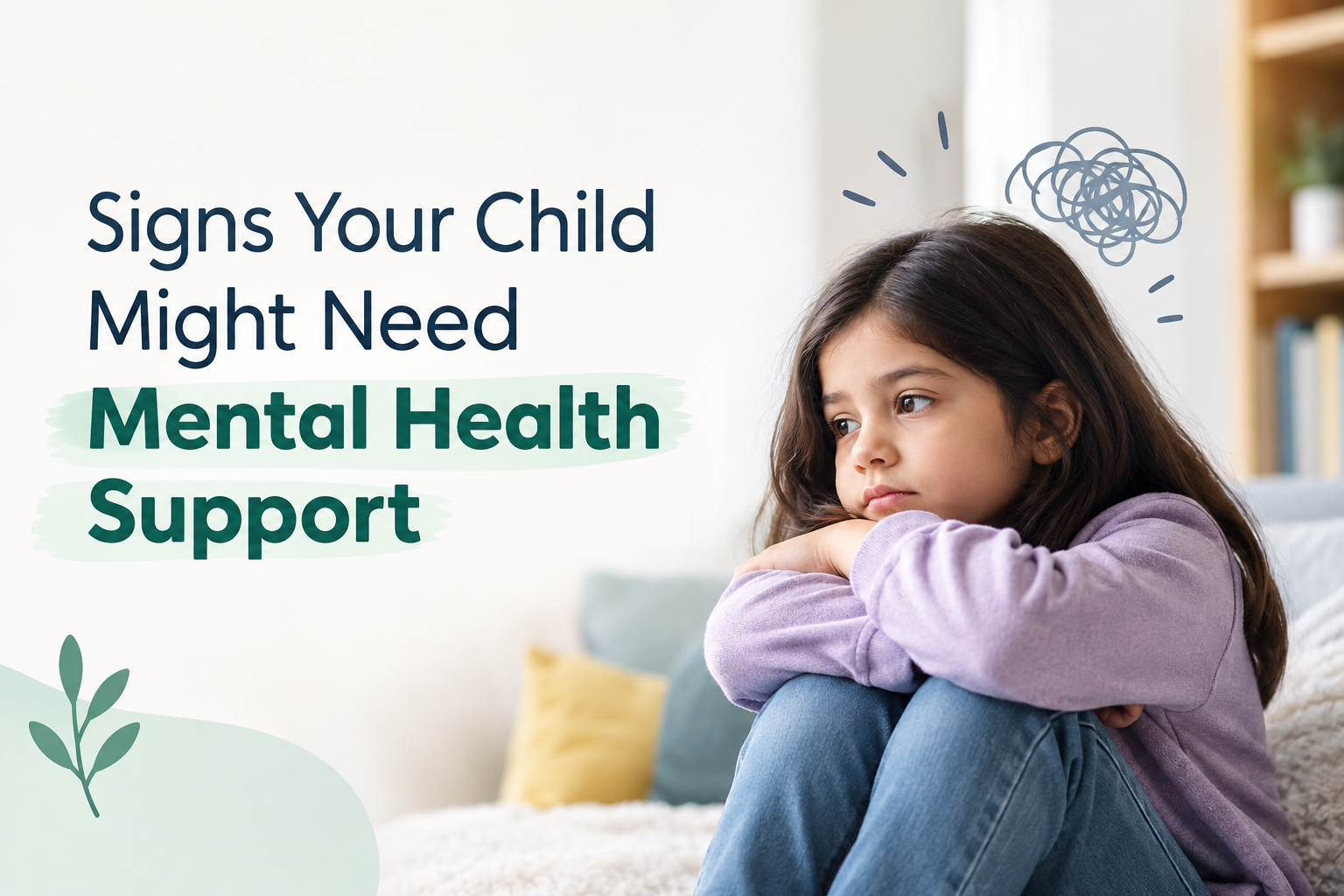
Parenting is sometimes like flying a plane without an instruction manual. It can be hard to know if your child is going through a normal stage, or if it is something more serious. It is normal for children to have tantrums, mood swings or periods of quiet withdrawal. But when those emotional highs and lows start to affect their school work, relationships or their everyday life at home, it’s time to look more closely.
Recognising the early signs of emotional distress gives you the opportunity to intervene before things get worse. Whether it’s an online psychiatrist consultation or structured psychiatrist online therapy, getting help early can make a world of difference and give your child the tools they need to feel like themselves again.
Warning Signs to Look For
Children don’t always have the words to tell you how they feel inside, so often their distress comes out in their behaviour. Some of the key warning signs to look out for are:
-
Long term mood changes: feeling sad, crying a lot or feeling irritable for two weeks or longer for no reason.
-
Sudden change of conduct: Aggressive behaviour or loss of control over minor frustrations, out of character angry outbursts.
-
Withdrawing from friends and family: They might stop going to play dates, sports, or family events that they used to enjoy.
-
Physical pain without a cause: Frequent stomachaches, headaches or tight muscles your paediatrician can’t find a physical cause for.
-
Changes in sleep and appetite: trouble falling asleep, frequent nightmares, oversleeping, or sudden changes in eating habits and weight.
-
Grades falling: A sudden decline in school performance, difficulty focusing on homework, outright refusal to go to school.
-
Self-harm or scary talk: Talking about hurting themselves, saying they wish they could “disappear” or engaging in dangerous activities.
Common Childhood Mental Health Disorders
Knowing what may be happening can help to make the whole process less daunting:
-
Anxiety Disorders: Unusual and excessive worry and fear that affect the normal functioning of daily life. This includes social anxiety, separation anxiety and general worry.
-
Depression and Mood Problems: Ongoing sadness, emptiness, or extreme irritability that makes it difficult for a child to enjoy playing, studying, or being with others.
-
ADHD (Attention-Deficit/Hyperactivity Disorder): Difficulty paying attention, acting impulsively, or staying still more than expected for childhood energy.
-
Trauma and PTSD: Emotional pain, frightening memories, or changes in behaviour that result from a frightening, violent, or traumatic event.
-
Behavioural Conditions: Enduring patterns of defiant or hostile behaviour directed at parents, teachers and other adults well beyond normal boundary testing.
How You Can Help Your Child at Home
-
Maintain open lines of communication: Create an environment where your kid can talk freely about their feelings without fear of being lectured or dismissed.
-
Establish a daily routine: Children feel safe when they know what time to eat meals, do homework, watch television or play video games, and when to go to bed.
-
Concentrate on the basics of good health: Regular play or exercise, balanced meals and plenty of sleep are very important in stabilising a child’s mood.
-
Be a role model: Demonstrate to your child how to deal with stress and frustration in a positive way. They learn more from us than we think they do.
-
Seek professional guidance early: Don’t wait for a crisis to happen to seek support. Modern solutions like psychiatrist online therapy assure your child can talk to a pro from the comfort of the home.
Frequently Asked Questions
How to Discuss Mental Health with Your Child
Choose a low-pressure time, like when you’re in the car or walking together. Use simple, age-appropriate words, listen more than you speak and validate how they feel instead of jumping right into fixing it. Let them know it’s brave and normal to ask for help.
When to See a Mental Health Professional for Your Child?
If your child’s mood or behaviour changes last more than two weeks, interfere with the family or their school day, or if your child talks about self-harm or suicide, seek professional help.
What triggers emotional distress in children?
It’s rarely just one thing. Sometimes emotional distress can be a combination of influences including biological influences, family history, environmental stressors (school pressure, family changes), dynamic life transitions or experiences with bullying and trauma.
When does mental health usually begin?
Signs may be evident in childhood, but often become more noticeable in middle childhood and early adolescence (roughly ages 7 through 14), when demands from school and social situations increase.
What happens if mental illness is untreated?
If left untreated, mental health problems can lead to increased emotional distress, falling behind in school, strained relationships, low self-esteem and a higher chance of developing more serious problems later in life.
Mental illness can be a long-term condition.
Not really. Most mental health problems that develop in childhood are either treatable or acute. With early help, skill-building, therapy and a supportive home environment, kids often bounce back or learn to manage their feelings successfully.
What constitutes a serious mental illness?
A serious mental illness is a mental, behavioural or emotional disorder resulting in serious functional impairment, which substantially interferes with or limits one or more major life activities.
How can online psychiatrist consultation help my child?
Visiting an online psychiatrist allows you to meet a medical professional who can evaluate the emotional health of your child, provide you with a firm diagnosis, suggest treatment options, and determine if your child would benefit from medication in the comfort of an environment that you are familiar with.
How Effective Is Online Therapy for Young Children?
Yes. Online therapy for kids includes age-appropriate interactive activities, behavioural exercises, and parent-guided support. This is a convenient and flexible way to receive consistent care without the hassles of going back and forth.
How can I prepare my child for their first therapy session?
Keep it light and bubbly. I’d say a therapist is like a nice coach that helps kids navigate their big feelings and feel more confident and just better.

Comments (0)